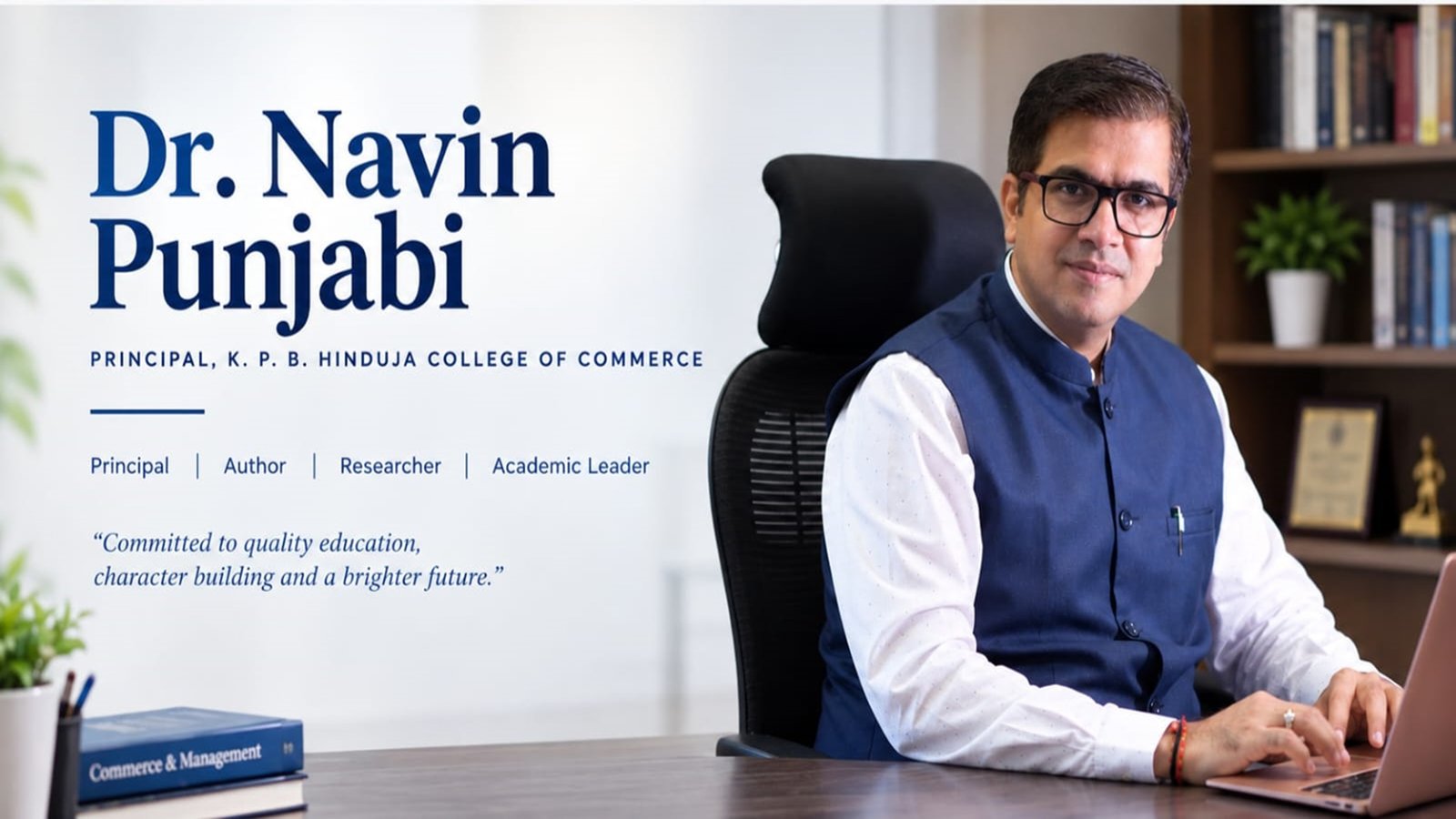
Dr. Navin Mukesh Punjabi
Igniting Minds, Awakening Hearts
My Journey
I have spent more than three decades in the field of higher education, and this journey has taught me that education is much more than the transfer of information. It is about creating curiosity, developing character, building confidence and preparing young people to respond meaningfully to a changing world.Today, as the Principal of K.P.B. Hinduja College of Commerce (Autonomous), Mumbai, I see my role not merely as an administrator, but as an educator, mentor and facilitator of institutional transformation.
My personal philosophy can be summed up in two words: lgnite the mind. Awaken the heart.
I believe that education must stimulate intellectual curiosity while simultaneously developing empathy, ethics and social responsibility. A successful graduate should not merely be prepared for a job; he or she should be prepared for life. My professional journey has also included academic leadership at H.R. College of Commerce & Economics, where I served as Vice-Principal and Associate Professor, as well as participation in academic bodies and university-level responsibilities. Official academic records document my involvement in the academic ecosystem of H.R. College and HSNC University. HR College.
From Knowledge to Application.
For many years, education was largely measured by how much a student knew. Today, I believe that knowledge must be accompanied by the ability to apply, analyse and create. Information is available everywhere. What matters is whether a learner can use that information intelligently to solve a problem, make a decision or create something meaningful. This is why I believe strongly in experiential learning—through projects, internships, case studies, simulations, industry interactions and practical exposure. At K.P.B. Hinduja College of Commerce, our focus is increasingly on connecting classroom learning with the realities of the professional world. Our objective is to ensure that students do not simply understand concepts academically, but can apply them confidently in real situations.
My Five-C Framework
In my recent work on future-ready education, I have articulated what I call the Five-C Framework:
1. Competence
Competence is not merely possessing knowledge. It is the ability to apply knowledge effectively. I want our students to develop critical thinking, analytical ability, problem-solving skills, digital and AI literacy, decision-making ability and the capacity to translate ideas into action. A competent graduate should be able to ask:
I know this—but how can I use it?
That transition from _knowing_ to _doing_ is central to meaningful education. India Today
2. Communication
The nature of communication has changed dramatically in the age of artificial intelligence.
Today, technology can generate an email, report or presentation within seconds. Therefore, communication is no longer simply about producing words.
It is about understanding:
What should I communicate?
Why should I communicate it?
Who is my audience?
What tone should I use?
What outcome do I want to achieve?
I therefore encourage students to develop the ability to speak, listen, write, present, negotiate and communicate across disciplines, cultures and technological platforms. India Today
3. Courage
The third C is Courage.
The world of work is changing rapidly. Technologies that were once considered revolutionary can become outdated within a few years. Artificial intelligence is already transforming the way we work and learn. We cannot predict every job that our students will perform in the future. But we can prepare them to face uncertainty. I want students to have the courage to explore unfamiliar areas, experiment with emerging technologies, question conventional approaches, learn from failure and continuously reskill and upskill.
For me, courage in education means developing the confidence to say:
I may not know this today, but I am willing to learn.India Today.
4. Collaboration
The fourth C is Collaboration.
The challenges of the modern world are too complex to be solved by individuals working in isolation. We need collaboration among students and teachers, educational institutions and industry, different disciplines and professions, and increasingly, between human intelligence and artificial intelligence. I do not see AI merely as a competitor to human beings. I see it as a tool that can complement human reasoning, creativity and productivity. Technology can generate information and identify patterns. But human beings must contribute context, judgement, values, imagination and accountability. The future therefore belongs not simply to those who know more, but to those who can connect people, knowledge, disciplines, ideas and technology.
5. Compassion
The fifth C is perhaps the one closest to my heart: Compassion. Competence tells us whether a person can perform a task. Compassion reminds us to ask why and for whom that task should be performed. As technology becomes more powerful, our human qualities become even more important. I want our graduates to demonstrate empathy, ethical decision-making, respect for diversity, sensitivity towards different social realities and responsibility towards the community and environment. Education must therefore go beyond employability. It must help create responsible professionals, ethical decision-makers and sensitive citizens.
Education in the Age of Artificial Intelligence
I believe we are entering an important period in higher education. Artificial intelligence is changing the nature of knowledge, employment and learning. The answer, however, is not to resist technology. The answer is to learn how to use it responsibly and intelligently. Students need AI literacy, but AI literacy cannot exist without critical thinking and ethics. We must teach young people not simply how to use technology, but how to question its outputs, verify information, understand its limitations and use it responsibly. This is why I see the future of education as a partnership between human intelligence and technology.
From Degree to Capability
One of the questions I believe higher education must continually ask is:
What does a degree actually prepare a student to do?
A degree remains important, but academic qualifications alone cannot define a graduate’s readiness for the future. The graduate of tomorrow must combine knowledge with skills, adaptability, confidence, communication, ethical judgement and the willingness to keep learning. This is also why I believe in learning agility. The world will continue to change. Therefore, the ability to learn, unlearn and relearn will become increasingly important. The college of the future must prepare students not only for the jobs that exist today, but also for opportunities and challenges that may not yet exist.
My Belief in Experiential Learning
I believe students learn most deeply when they experience knowledge beyond the classroom. Internships, live projects, industry interactions, case studies, simulations, presentations and collaborative activities give students opportunities to test their knowledge against real situations. My approach has therefore always been to encourage stronger connections between academia and industry. At K.P.B. Hinduja College of Commerce, this philosophy is reflected in our emphasis on industry-linked learning, internships and practical exposure. The college has also been introducing programmes aligned with emerging areas such as artificial intelligence, entrepreneurship and financial markets and analytics.
Research and Academic Leadership
Research has been an important part of my academic journey. I believe research teaches us to question, investigate, analyse evidence and arrive at informed conclusions. It also keeps education connected to new knowledge. Academic leadership, therefore, cannot be separated from academic inquiry. My responsibilities have included participation in academic bodies and university-level committees. Official HSNC University records, for example, document my role within its academic structure, while earlier records identify me as Vice-Principal and Associate Professor at H.R. College. HR College. I see institutional leadership as a responsibility to create an environment where students can learn, teachers can innovate and research can flourish.
Lifelong Learning
One of the most meaningful lessons of my own journey is that learning has no age limit. I recently completed my LL.B. degree, a journey that reinforced a belief I have carried throughout my career: learning does not have to stop when one reaches a particular professional position or age. For me, pursuing law was also deeply personal because my late father, Mr. Mukesh Hariram Punjabi, was himself an LL.B graduate and had served as a member of the District Consumer Redressal Forum. Completing the degree allowed me to carry forward a part of his legacy. This experience strengthened my conviction that education is a lifelong journey. We should never stop being students.
My Vision for Students
When I look at a student entering college, I do not see merely a candidate for a degree. I see a young person with potential.
My responsibility as an educator is to help that potential develop.
I want our students to leave college with:
– Knowledge that they can apply.
– Communication skills that create understanding.
– Courage to enter unfamiliar territory.
– Collaboration skills to work with people and technology.
– Compassion to use their abilities responsibly.
– Curiosity to continue learning.
– Integrity to make ethical decisions.
– Confidence to face uncertainty.
Ultimately, I want our graduates to become future-ready professionals and responsible citizens.
My Philosophy of Education
My philosophy can therefore be expressed simply:
Education should ignite the mind and awaken the heart.
The mind must learn to question, analyse, create and innovate. The heart must learn to empathise, respect, serve and take responsibility.When these two dimensions come together, education becomes transformative. I believe the true success of an educational institution is not measured only by examination results, rankings or placements. It is also measured by the kind of human beings its students become. If our students become competent professionals, lifelong learners, ethical decision-makers and compassionate citizens, then we have fulfilled the deeper purpose of education.
Looking Ahead
The future of higher education will demand agility.
Artificial intelligence, emerging technologies, new career paths, changing industry expectations and evolving social challenges will continue to reshape the world around us. Our response must be to build institutions that are innovative without losing their values, technologically equipped without losing their humanity, and professionally relevant without losing their social purpose. This is the educational journey I continue to believe in. This is the responsibility I carry as an educator. And this is what “Igniting Minds, Awakening Hearts” means to me.
Dr. Navin Mukesh Punjabi.
Principal

Leadership
Leading Academic Excellence Through Vision and Innovation
As the Principal of K. P. B. Hinduja College of Commerce (Autonomous), Dr. Navin Punjabi continues to lead initiatives that strengthen academic excellence, research, and student development. His leadership has contributed to institutional growth, research achievements, and recognition at both university and national levels.
Committed to fostering innovation and collaborative learning, he actively encourages students and faculty to pursue excellence beyond the classroom while building a culture of academic integrity and continuous progress.
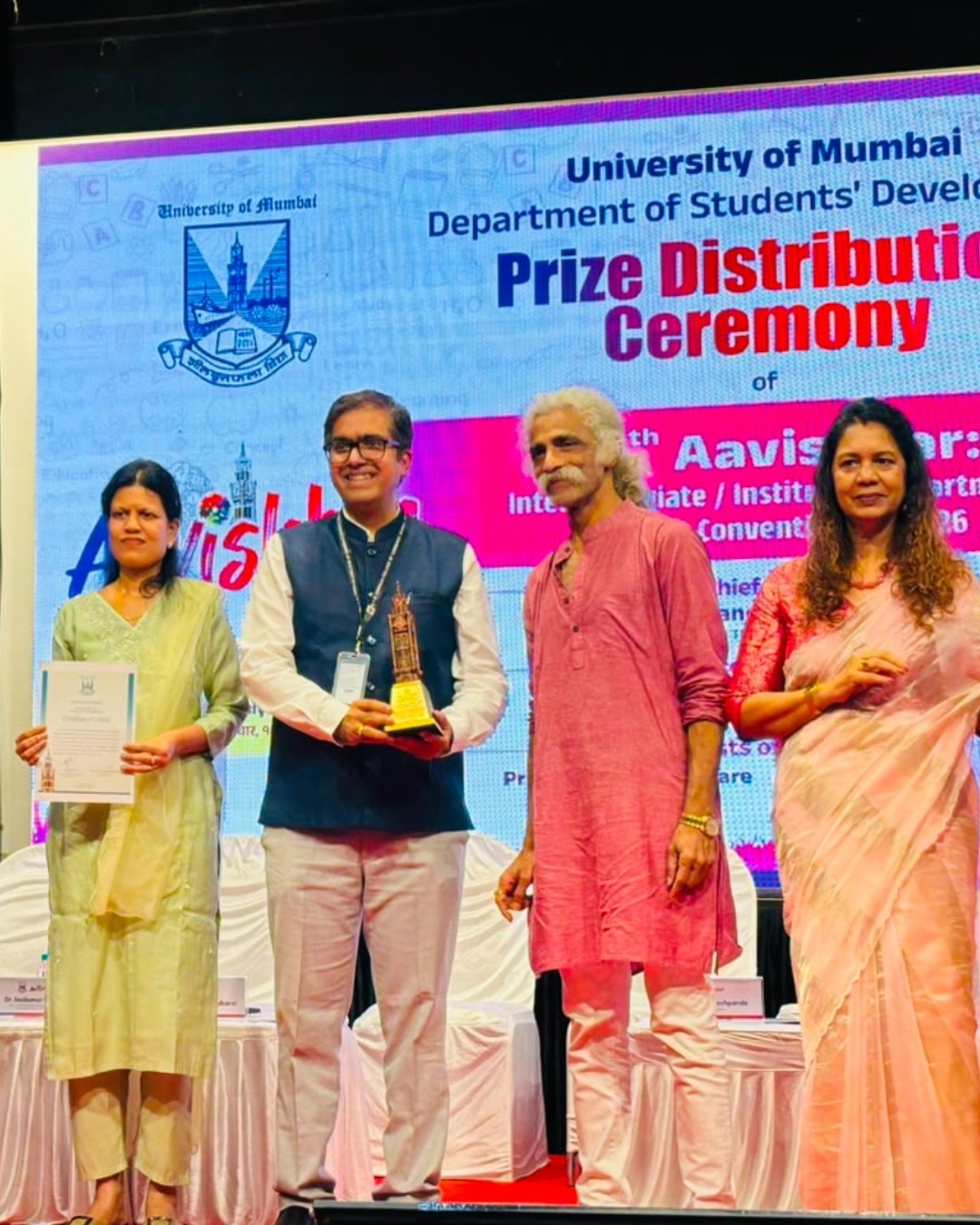
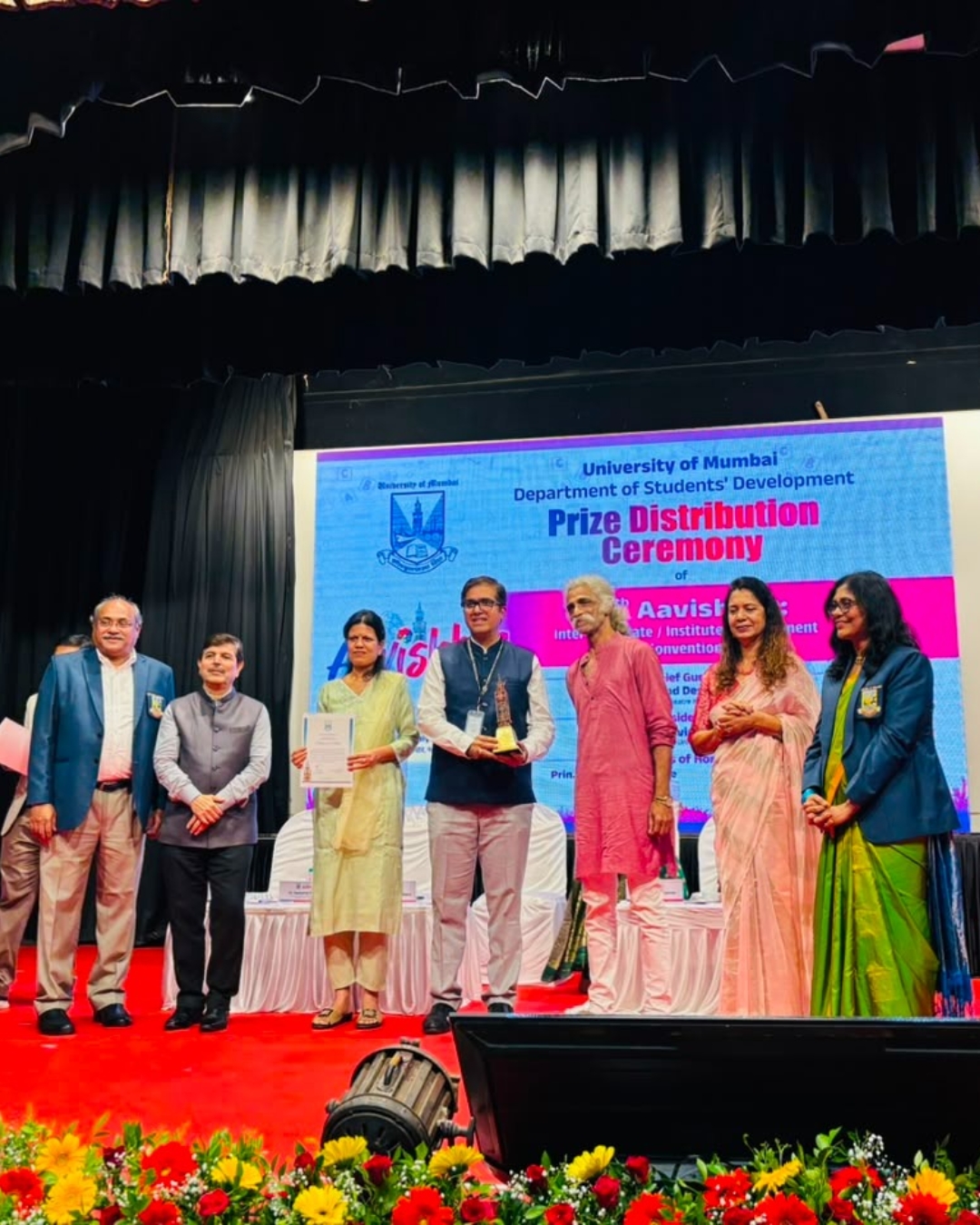
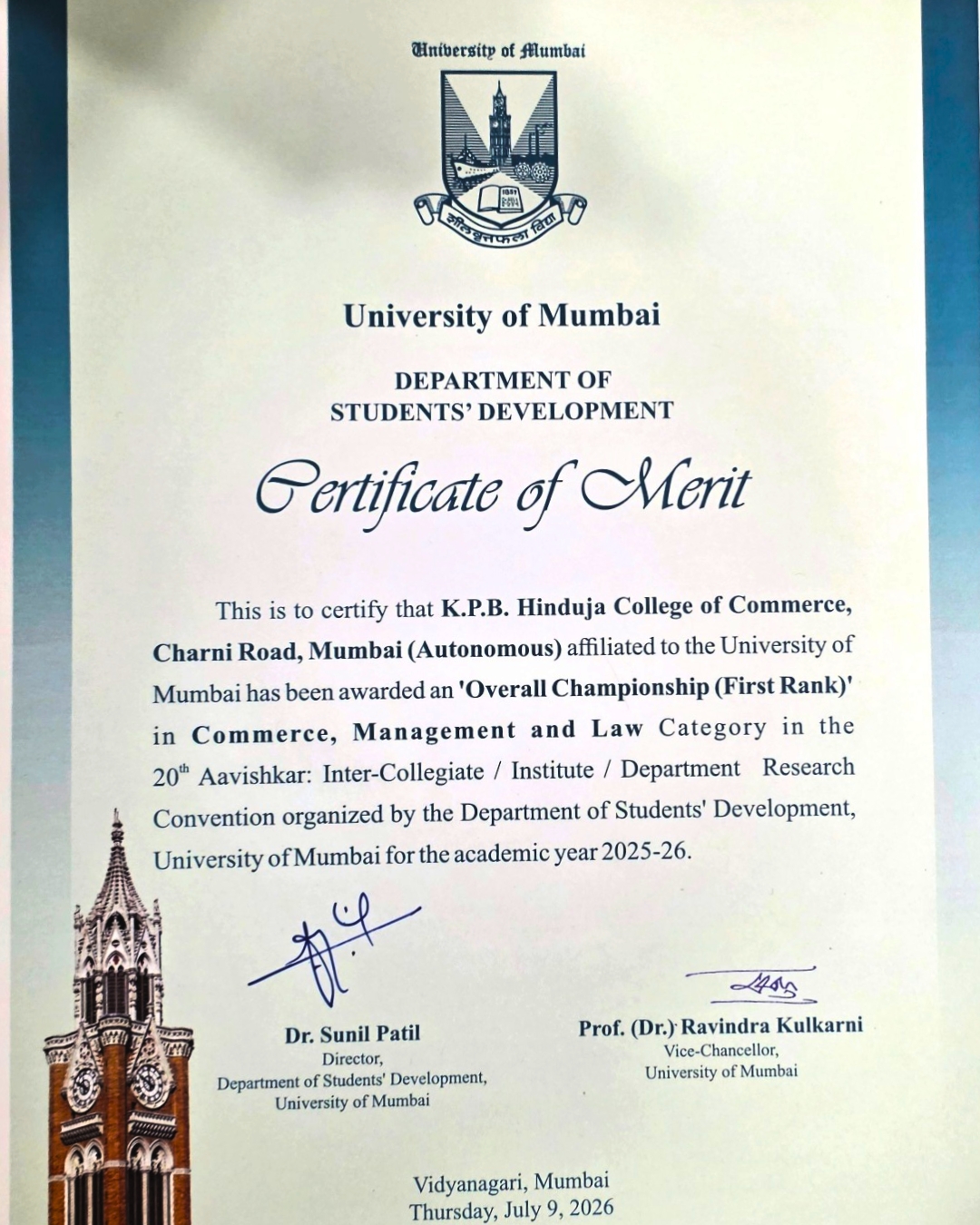
University of Mumbai Championship Trophy
Category-wise Championship Trophy (Commerce, Management & Law)
Awarded during the 20th Avishkar Inter-Collegiate / Institute / Department Research Convention (2025–26), recognizing K. P. B. Hinduja College of Commerce for outstanding academic research and student innovation.
July 9, 2025
PUBLICATIONS
Ideas That Educate. Research That Inspires.
Dr. Navin Punjabi has authored books and contributed to academic publications that bridge theory with practical insights. His work spans commerce, finance, management, education, and personal finance, reflecting decades of teaching, research, and professional experience.
The Wealth Diary
Your Personal Financial Record
A practical guide to organizing your financial life, helping you securely manage personal, legal, and financial records for the future.
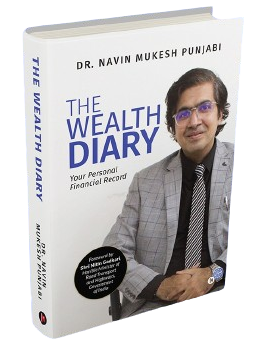
The Wealth Diary
Your Personal Financial Record
A practical guide to organizing your financial life, helping you securely manage personal, legal, and financial records for the future.
OTHER PUBLICATIONS
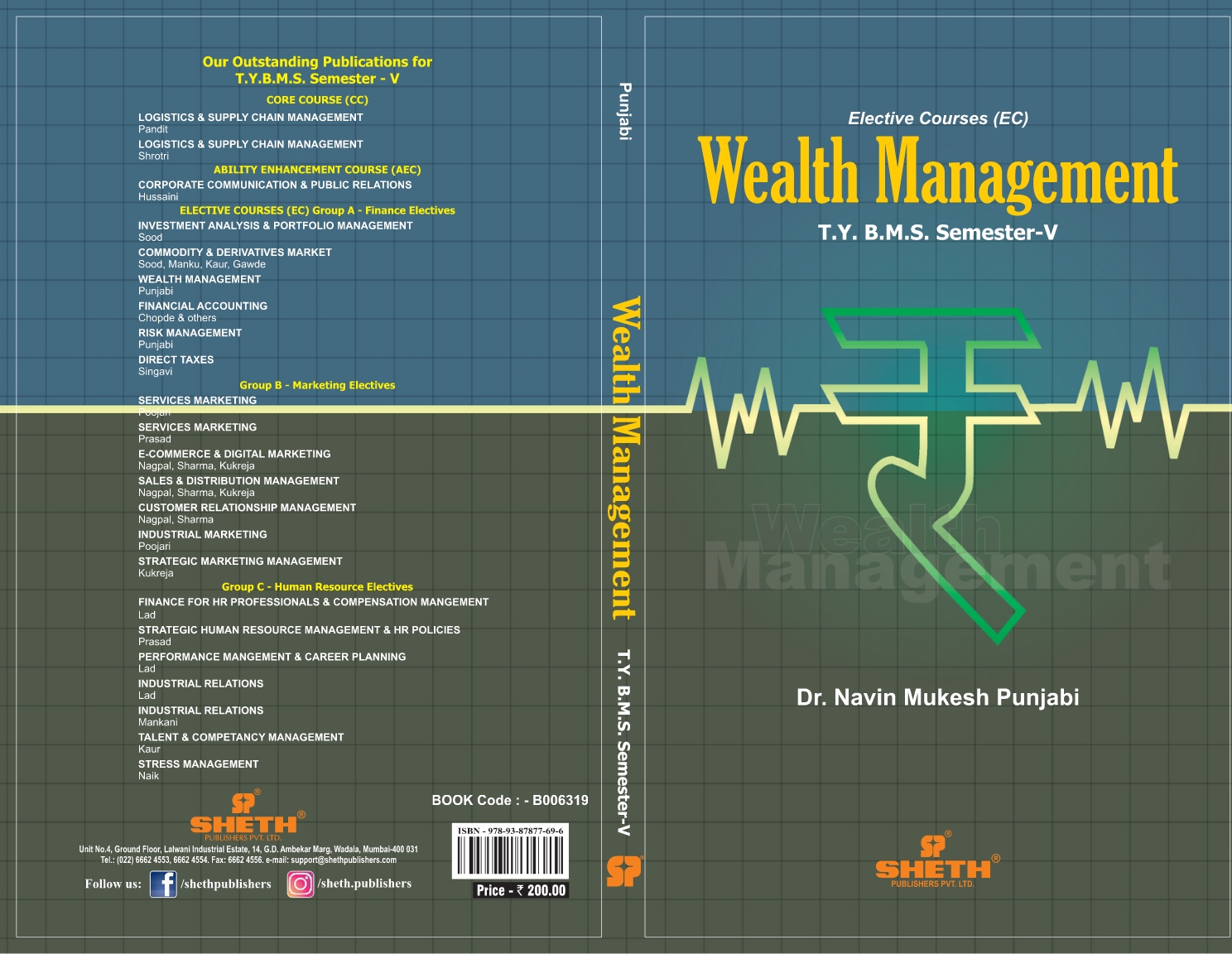
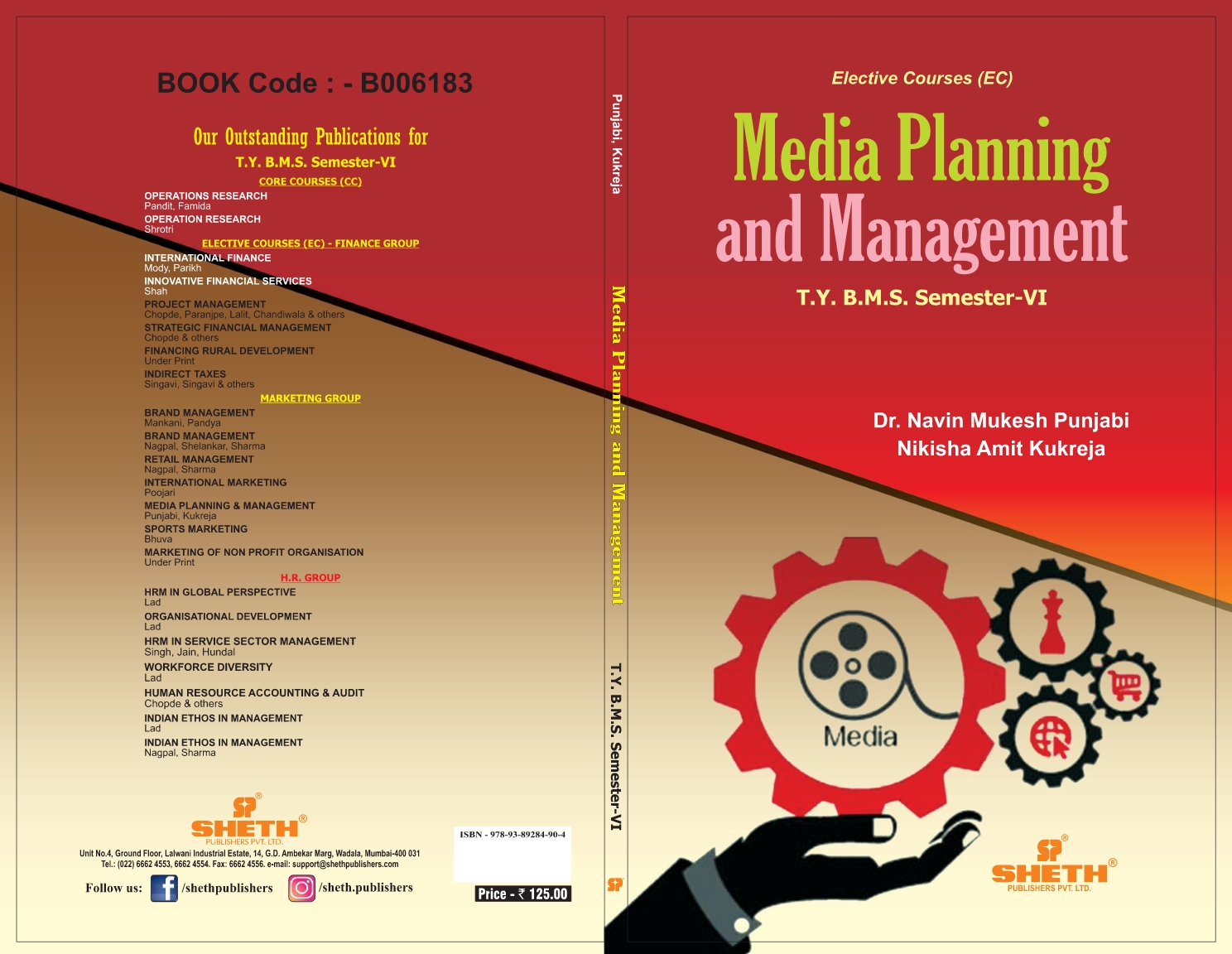
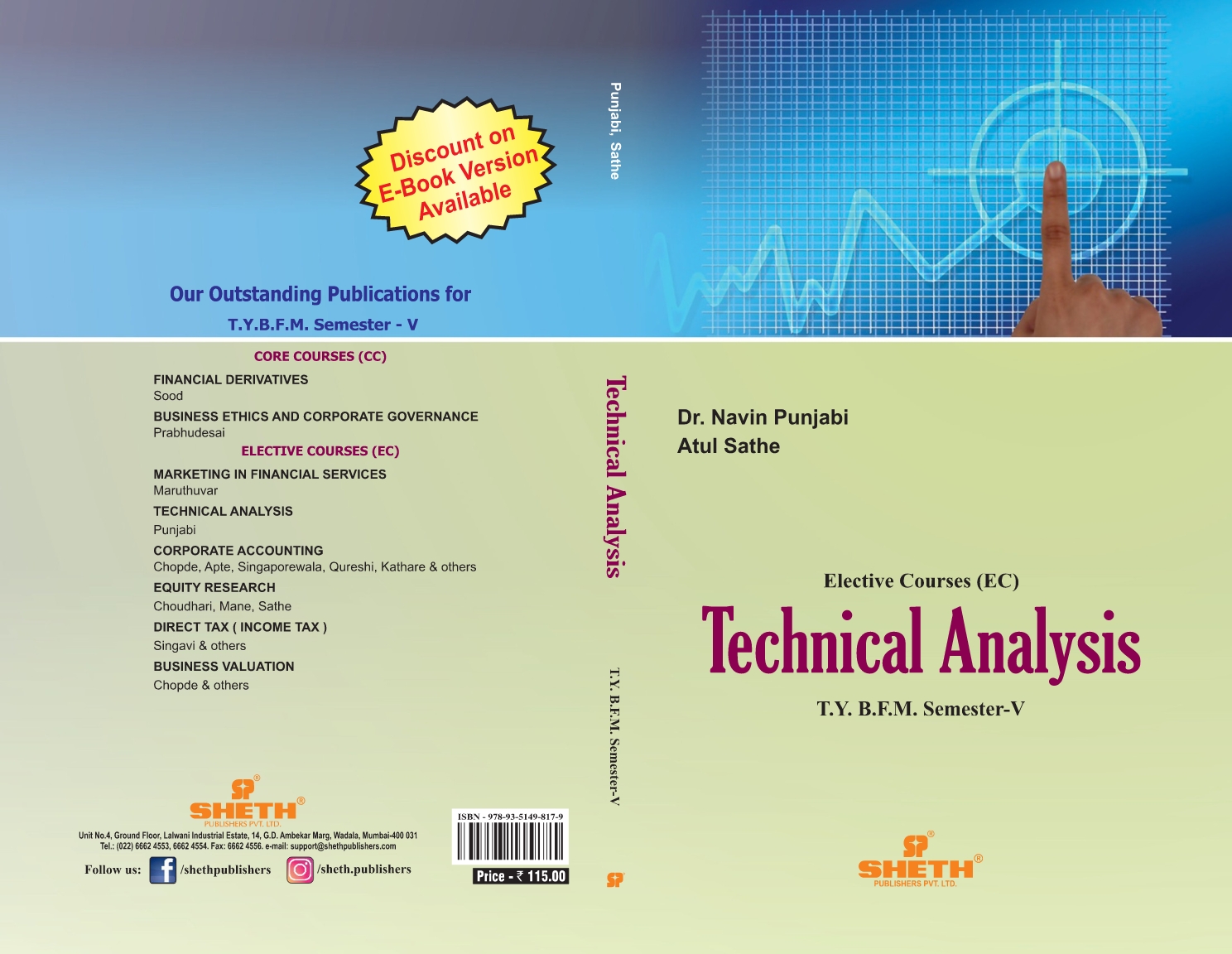
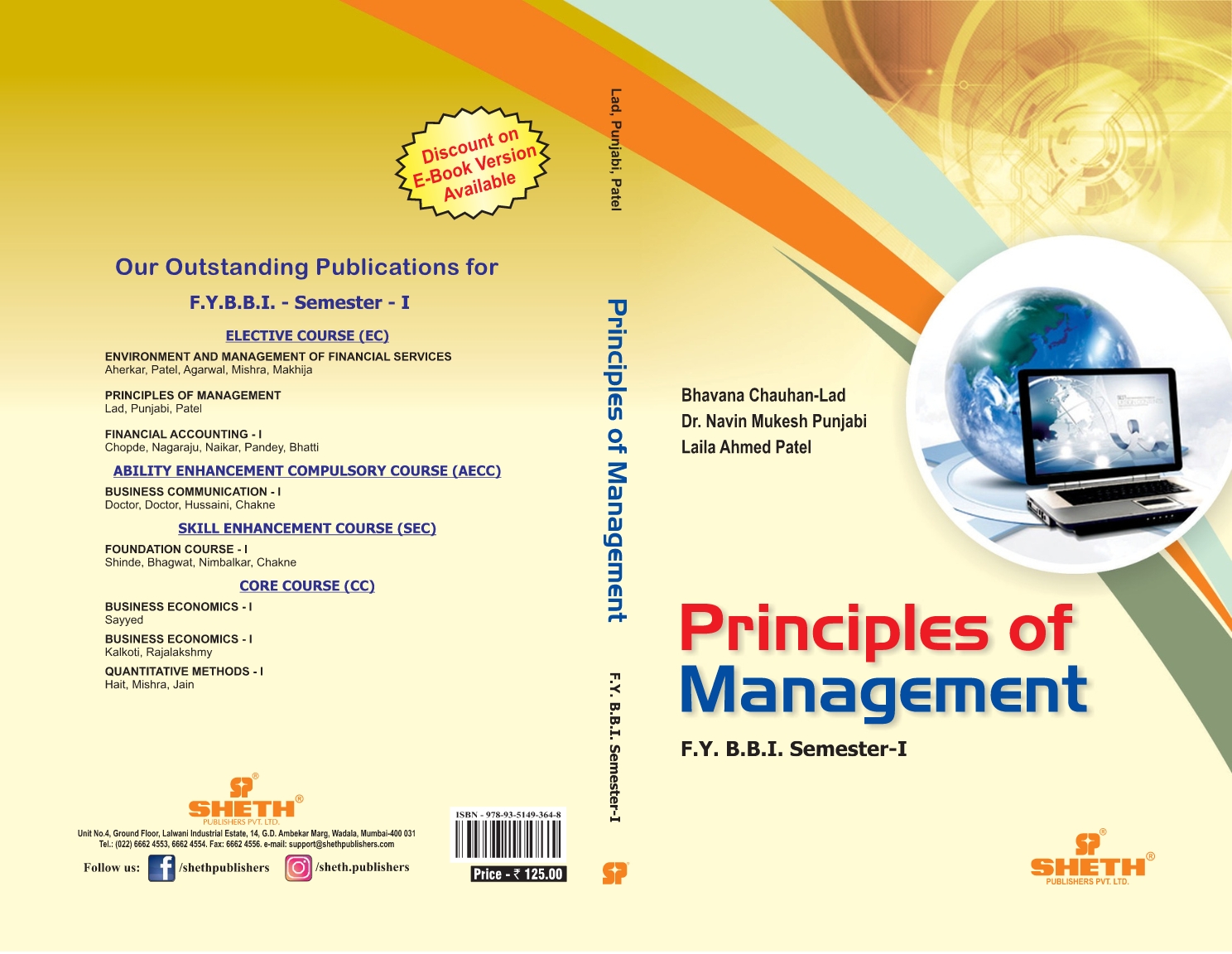
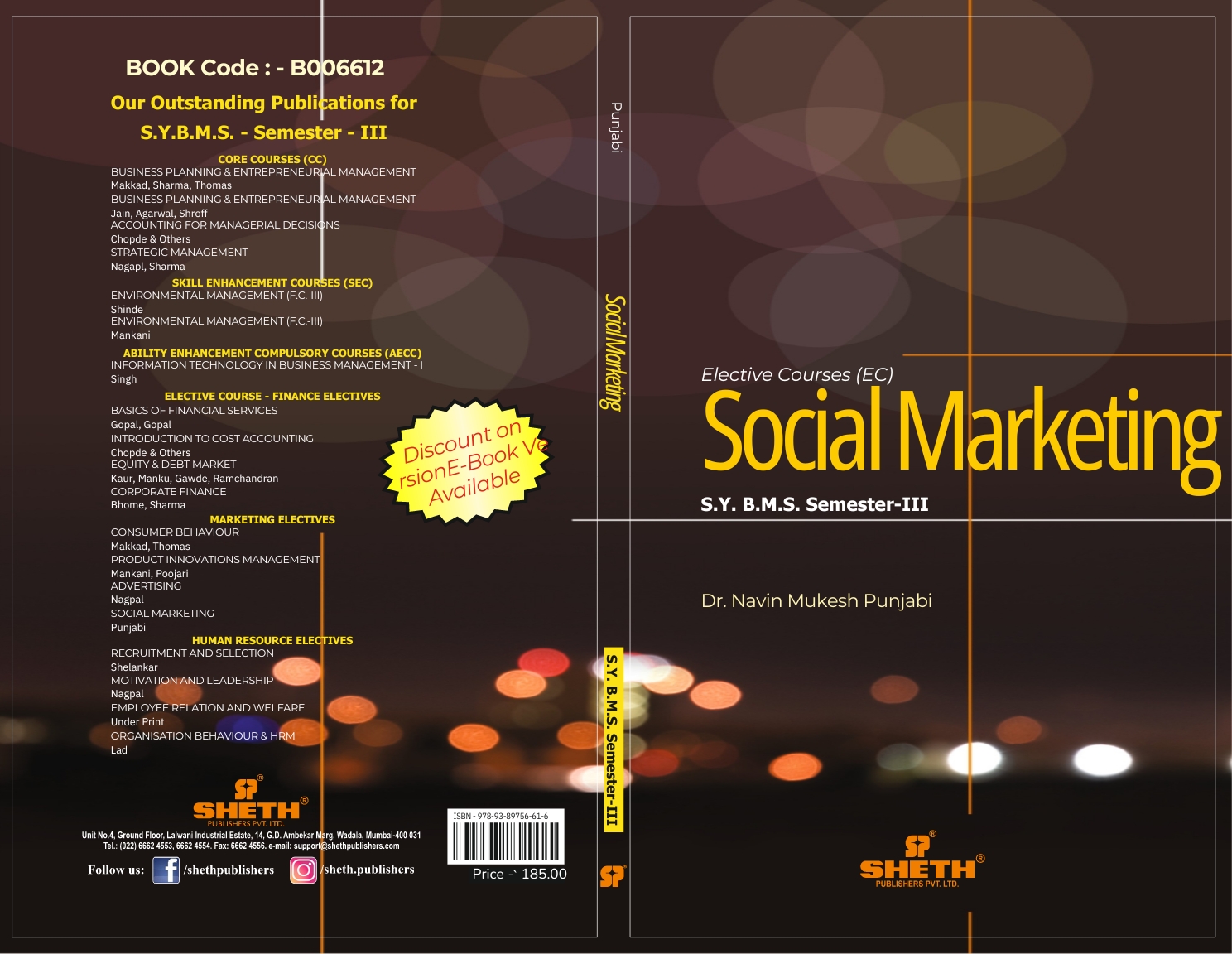
IN PICTURES
Moments That Matter
Explore moments from academic conferences, institutional events, research initiatives, award ceremonies, student engagements, and milestones that reflect a lifelong commitment to education and leadership.
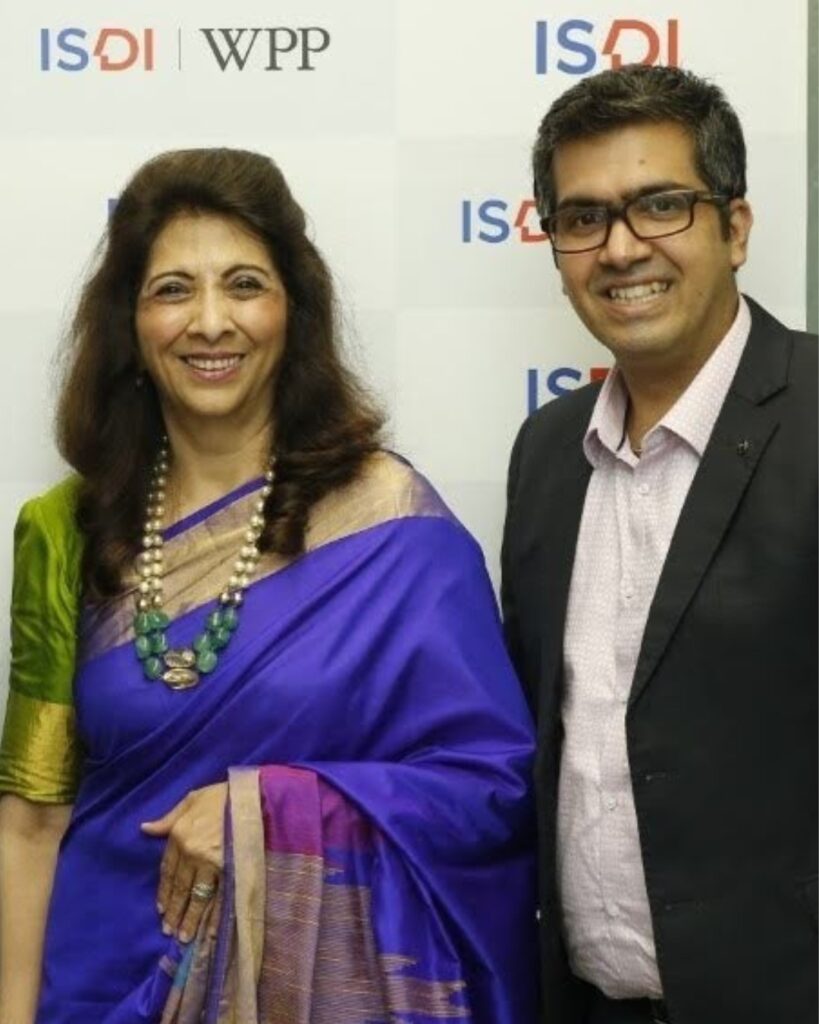
Dr. Navin Punjabi with Dr. Indu Sahani
Former Principal of H.R. College
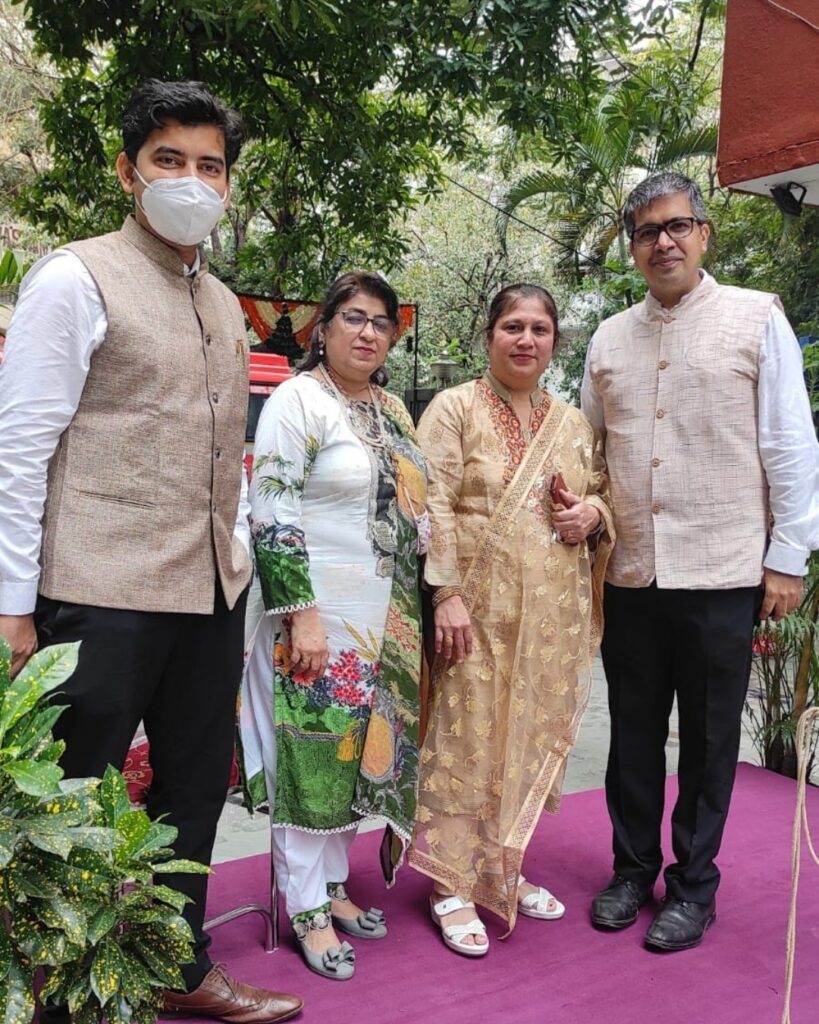
Dr. Navin Punjabi with Dr. Pooja Ramchandani
Principal of H.R. College
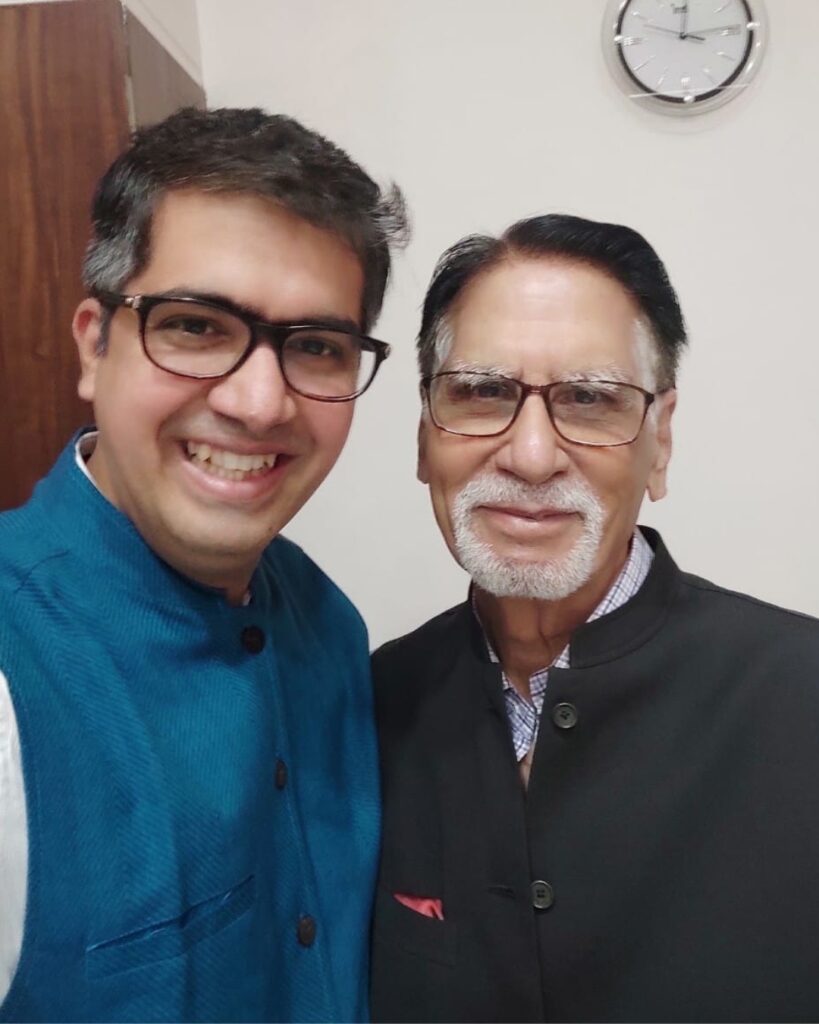
Dr. Navin Punjabi with Shri. Kishu Mansukhani
President HSNC Board
CONTACT
Let's Connect
Whether you’re seeking an academic speaker, exploring opportunities for collaboration, inviting Dr. Navin Punjabi to a conference, or simply wishing to get in touch, feel free to reach out. Every enquiry is valued and will be responded to at the earliest opportunity.